

IngredientsPreserves
Meerrettich, Krenhorseradish
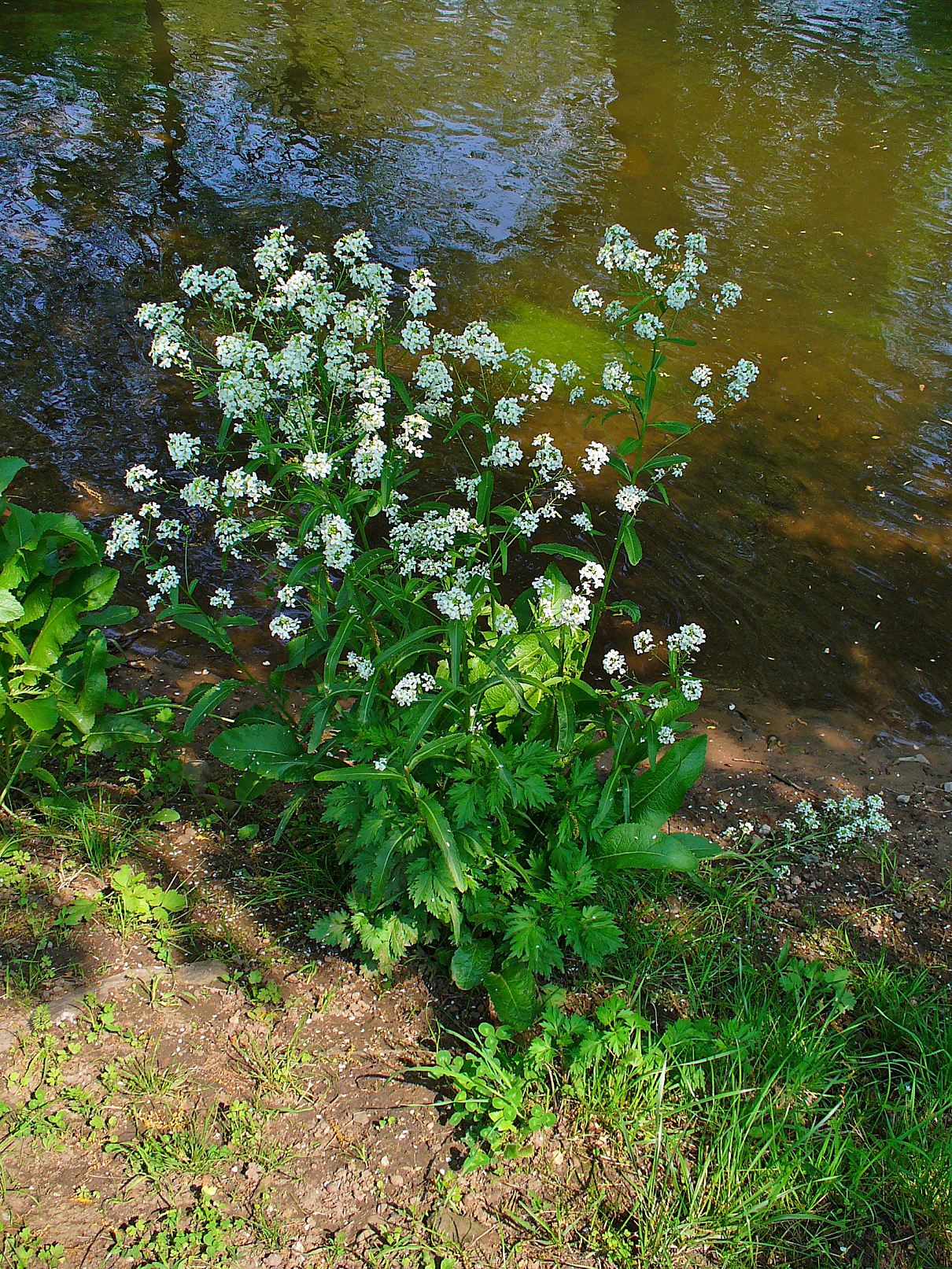
The root of Armoracia rusticana, in the same family as mustard and cabbage. Beige outside, white inside, and almost odourless while whole.
The heat is made by grating: cells rupture, an enzyme releases mustard oils. That is why a whole root smells of nothing and a grated one bites at once.
Geschmacktaste
Those oils are volatile. They rise, hit the nose and the eyes rather than the tongue, and they are gone from an open bowl within a short time.
Heat destroys them too. Horseradish never goes into a boiling sauce, only into the finished one off the heat. Classic with boiled beef and with smoked fish.
In Mexikoin Mexico
It is called rábano picante and turns up almost only as a finished product: jarred, grated and preserved in vinegar.
Look at City Market, La Comer and Mercado Libre. The vinegar keeps the heat alive but also flattens it compared with a root grated a minute ago.
Ersatzwhat to use
Wasabi paste without dye comes closest in taste. Wasabi is also a mustard relative and its heat comes from the same class of compounds, so it goes up the nose the same way.
What it will not do: give you the earthy, faintly sweet base of the root, or the coarse fibrous texture a horseradish sauce is built on. Wasabi also brings a perfumed note of its own. Stir in a little and taste.
Vorsichtwatch out
Fresh root is rare here. If you find one, take it and freeze it; it keeps for months.
Frozen it grates better anyway. Straight from the freezer onto the grater, and your eyes suffer less.